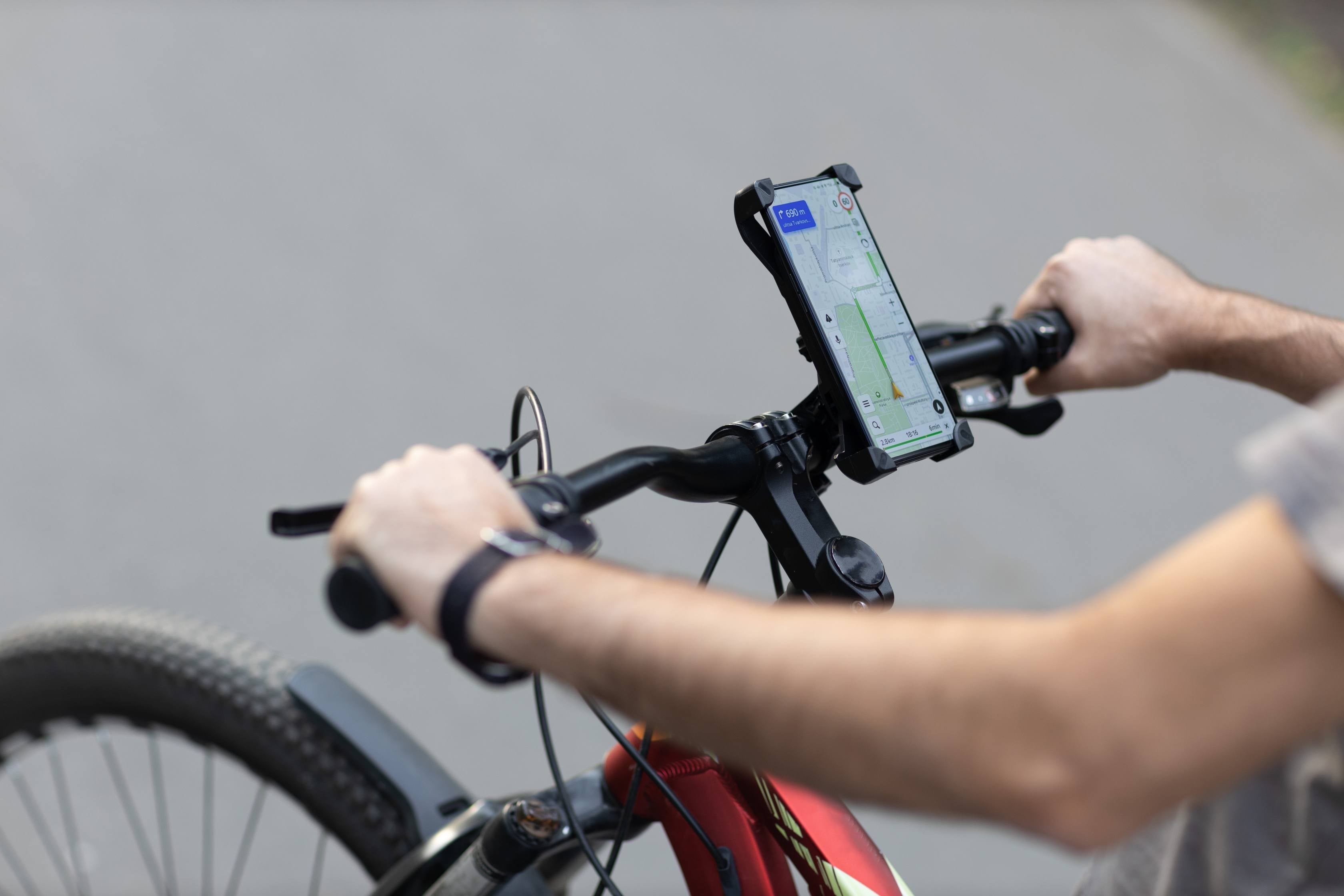
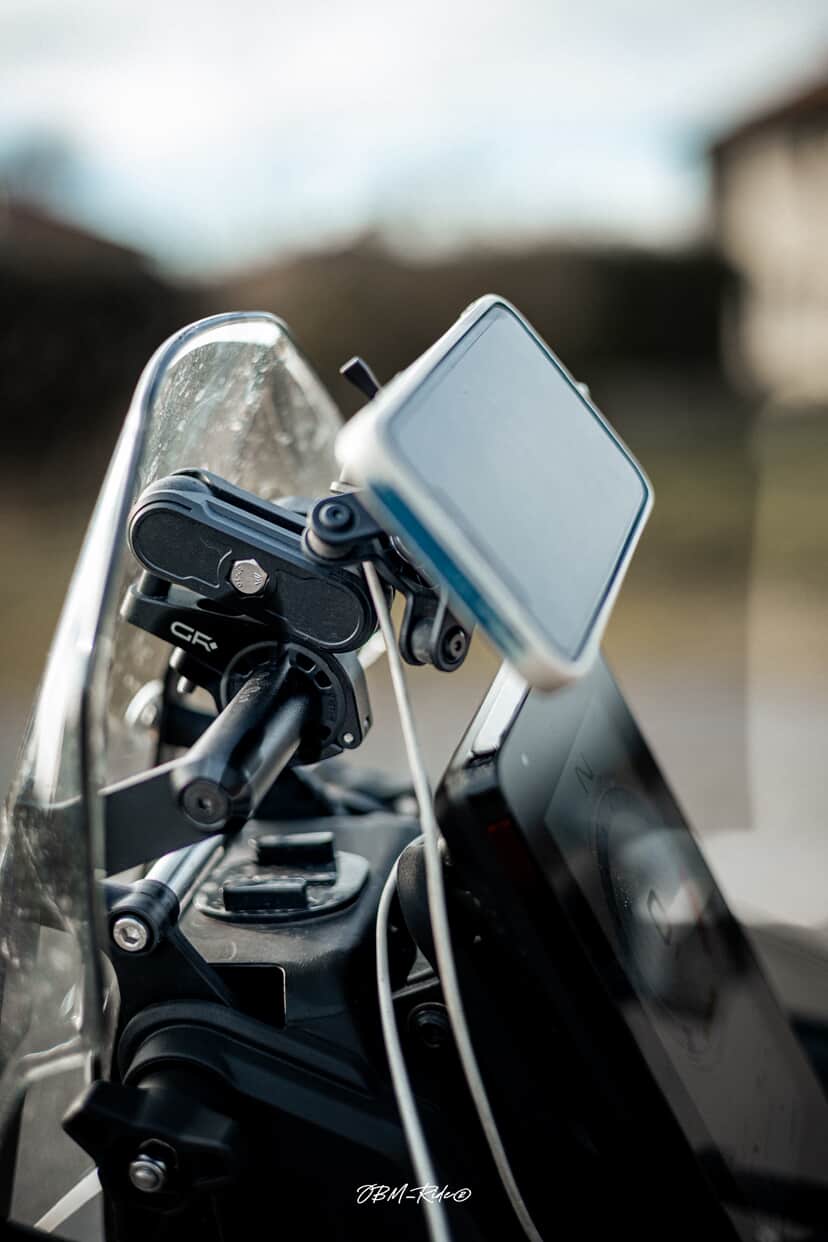
If you’ve ever bought a Bike Phone Mount thinking it would “just work” for every ride, you’re not alone. Most riders start with the same expectation: universal means simple, simple means reliable. But once you actually hit the road, things often feel very different.
In reality, a Bike Phone Mount is one of those accessories that looks straightforward but behaves very differently depending on your phone, your bike, and even the kind of road you ride on. And that’s exactly where most problems begin.
So why does something advertised as universal so often fail in real life, and what should you actually look for instead? Let’s break it down step by step.
Why a Bike Phone Mount Often Fails in Real Riding Conditions
A Bike Phone Mount is usually marketed as a one-size-fits-all solution. It promises to hold almost any phone, on almost any bike, in almost any condition. Sounds perfect, right?
But once you start riding, especially on uneven roads or longer distances, those promises begin to fall apart. The main issue is that “universal fit” ignores how unpredictable real cycling actually is.
Different riders use different phone sizes, different cases, and even different handlebar shapes. Add vibration, speed, and weather into the mix, and suddenly a simple Bike Phone Mount is dealing with far more stress than it was designed for.
This is why many riders experience wobbling, shifting, or even full detachment. So if universal fit doesn’t really work, what exactly goes wrong first?
The gap between marketing and reality
Most Bike Phone Mount products are tested under ideal conditions. Smooth surfaces, light phones, and short rides. But real cycling is rarely ideal. Gravel roads, potholes, and sudden turns expose weaknesses quickly.
This is where riders begin to notice that their Bike Phone Mount is not as “universal” as advertised. And once that trust breaks, every ride starts to feel uncertain.

Common Problems With a Bike Phone Mount Riders Keep Facing
When riders start using a Bike Phone Mount regularly, certain problems appear again and again. These issues are not rare accidents. They are predictable patterns.
One of the most common problems is slipping. Even a slightly loose grip can cause a phone to tilt mid-ride. Another issue is vibration, where the phone slowly shifts out of position during rough rides.
Over time, even the best-looking Bike Phone Mount can develop weak points in its joints or clamps. And when that happens, riders begin to constantly check their phone instead of focusing on the road.
So what exactly is causing all of this?
Why small design flaws become big problems
A Bike Phone Mount relies on pressure points to stay stable. If those pressure points are not evenly distributed, movement starts to build up over time.
Even something as small as a thicker phone case can change how secure the mount feels. This is why two riders using the same Bike Phone Mount can have completely different experiences.
But here’s an interesting question: does riding style make these problems worse or better?

How Your Riding Style Changes What a Bike Phone Mount Needs to Do
Not all cycling is the same, and this is where most people underestimate the role of a Bike Phone Mount. A commuter riding on smooth city roads has very different needs compared to someone riding mountain trails.
For example, road cyclists need stability at higher speeds, while mountain bikers deal with sudden shocks and heavy vibration. Touring riders, on the other hand, need long-term durability more than anything else.
This means a single Bike Phone Mount design cannot realistically perform equally well in all situations.
Different riding styles create different stress levels
A commuter might think their Bike Phone Mount is perfect until they try it on a rough trail. Suddenly, the same product behaves very differently.
This is because each riding style puts pressure on different parts of the mount. Speed stresses aerodynamics, trails stress shock absorption, and long rides stress material durability.
So if riding style changes everything, what actually makes a Bike Phone Mount reliable in the first place?
What Makes a Durable Bike Phone Mount Truly Reliable
A reliable Bike Phone Mount is not just about holding a phone. It is about controlling movement under stress. That difference is what separates a good mount from a frustrating one.
Strong materials, secure locking systems, and vibration control all play a role. But more importantly, how these elements work together determines real-world performance.
A high-quality Bike Phone Mount usually avoids relying on weak friction-based grip systems alone. Instead, it uses structured locking points that reduce unwanted movement.
Materials and engineering matter more than marketing
Many riders assume all Bike Phone Mount products are similar because they look similar. But internally, the difference can be huge.
Metal reinforcement, high-grade polymers, and shock-absorbing layers all contribute to stability. Without these, even a visually solid mount can fail under pressure.
So once you understand build quality, the next question becomes obvious: how do you actually choose the right one?

How to Choose the Right Bike Phone Mount for Your Setup
Choosing a Bike Phone Mount is less about picking the most popular option and more about matching it to your exact setup.
Start with your phone size. Larger phones shift weight differently, which affects balance. Then consider your phone case, because thick cases often reduce grip strength.
Your handlebar diameter also matters more than most people realize. A Bike Phone Mount that feels tight on one bike may feel loose on another.
Fit is not universal, it is mechanical
A proper Bike Phone Mount should feel like an extension of your bike, not an attachment that might fall off.
That means every detail matters: grip strength, locking angle, and even how easy it is to tighten the mount without over-stressing it.
But what happens if you get this wrong?
The Hidden Risks of Using the Wrong Bike Phone Mount
Using the wrong Bike Phone Mount is not just inconvenient. It can become a safety issue.
A loose mount can distract you mid-ride, especially if you are trying to adjust your phone while moving. In worse cases, the phone can fall completely, creating hazards for you and others.
There is also the risk of damage. A dropped phone at cycling speed can easily crack or break, even with protective cases.
Safety often gets ignored until something goes wrong
Many riders only realize the importance of a reliable Bike Phone Mount after an accident or near miss. Until then, small vibrations and minor shifts are often ignored.
But once trust is lost, every bump in the road feels risky.
So what is the alternative when universal designs keep failing riders?
Why GRxplore Bike Phone Mount Solutions Stand Out
This is where GRxplore takes a different approach. Instead of treating every Bike Phone Mount as a one-size solution, the focus is on stability, real riding conditions, and practical durability.
A GRxplore Bike Phone Mount is designed with real cycling stress in mind. That means better grip control, improved vibration handling, and a stronger focus on long-term reliability.
Rather than relying on loose universal claims, the design philosophy is centered on matching the rider’s real environment.
Built for real conditions, not just product pages
The difference becomes clear when the Bike Phone Mount is used on uneven roads or longer rides. Stability is not just a feature; it becomes part of the riding experience.
And once riders experience that level of consistency, they usually stop thinking about adjustments altogether.
But before choosing any mount, there is still one final step to consider.
Final Checklist Before Buying a Bike Phone Mount
Before buying a Bike Phone Mount, it helps to slow down and think about how and where you will actually use it.
Check your phone size and case thickness. Make sure your handlebar diameter matches the mount specification. And most importantly, think about your riding style.
A good Bike Phone Mount should not just fit your bike. It should fit your habits, your routes, and your expectations for safety.
Long-term value matters more than “universal” claims
A cheap universal option might seem attractive at first, but repeated replacements or failures quickly make it more expensive in the long run.
A properly matched Bike Phone Mount gives you consistency, and consistency is what keeps your rides smooth and stress-free.
So instead of asking “does this fit everything,” a better question might be: does this fit me?
Why Choose Our Bike Phone Mount
Choosing the right Bike Phone Mount is not just about holding your phone in place. It is about trusting that it will stay secure no matter what kind of road you are riding on. That is exactly why our Bike Phone Mount is designed differently from typical “universal” options that often focus more on marketing claims than real performance.
Most riders have experienced the frustration of a mount that slowly loosens, shakes during rides, or fails when hitting rough ground. Our approach focuses on solving those everyday problems from the start. Instead of relying on weak single-point grips, our Bike Phone Mount uses a reinforced locking structure that keeps your phone stable even during long rides and uneven terrain.
Another key difference is material quality. We use durable, high-strength components designed to handle repeated vibration without wearing down quickly. This means fewer adjustments, less slipping, and a more stable viewing experience for navigation or fitness tracking.
We also understand that every rider uses their phone differently. Some rely on GPS for commuting, while others track performance or record rides. That is why our Bike Phone Mount is built to support both lightweight daily use and more demanding cycling conditions without compromising stability.
In simple terms, it is built for real riders, not ideal test conditions. So instead of worrying about whether your phone will stay in place, you can focus on your ride and enjoy the road ahead with confidence.
Conclusion
At the end of the day, a Bike Phone Mount is not just an accessory. It is part of your riding safety and your overall cycling experience.
We have seen how universal designs often fail because they ignore real-world conditions. We have also seen how riding style, materials, and fit all play a major role in performance.
If you are tired of mounts that slip, shake, or fail when you need them most, it might be time to choose something built with real cycling in mind.
If you want help finding the right Bike Phone Mount for your setup or have questions about compatibility, reach out to us at GRxplore. We are always happy to help you choose gear that actually fits the way you ride, not just the way it looks on a product page.
FAQs
What makes a Bike Phone Mount “universal”?
A Bike Phone Mount is called universal when it claims to fit most phone sizes and bike handlebars. However, this usually means adjustable parts, not a perfect fit for every setup. Real-world use still depends on phone size, case thickness, and riding conditions.
Why does my Bike Phone Mount shake while riding?
Shaking usually happens due to vibration from uneven roads or loose grip mechanisms. Even a small amount of movement can increase over time, especially on longer rides or rough terrain.
Can a Bike Phone Mount damage my phone?
Yes, if the mount is low quality or poorly fitted. Constant vibration, slipping, or sudden drops can lead to scratches or screen damage, especially without proper shock absorption.
What type of Bike Phone Mount is best for mountain biking?
For mountain biking, a secure locking Bike Phone Mount with strong vibration control and durable materials is best. Trails create more impact, so stability is more important than quick release features.
How do I know if a Bike Phone Mount will fit my bike?
Check your handlebar diameter and compare it with the product specifications. Also consider your phone size and case thickness to ensure a secure and stable fit.