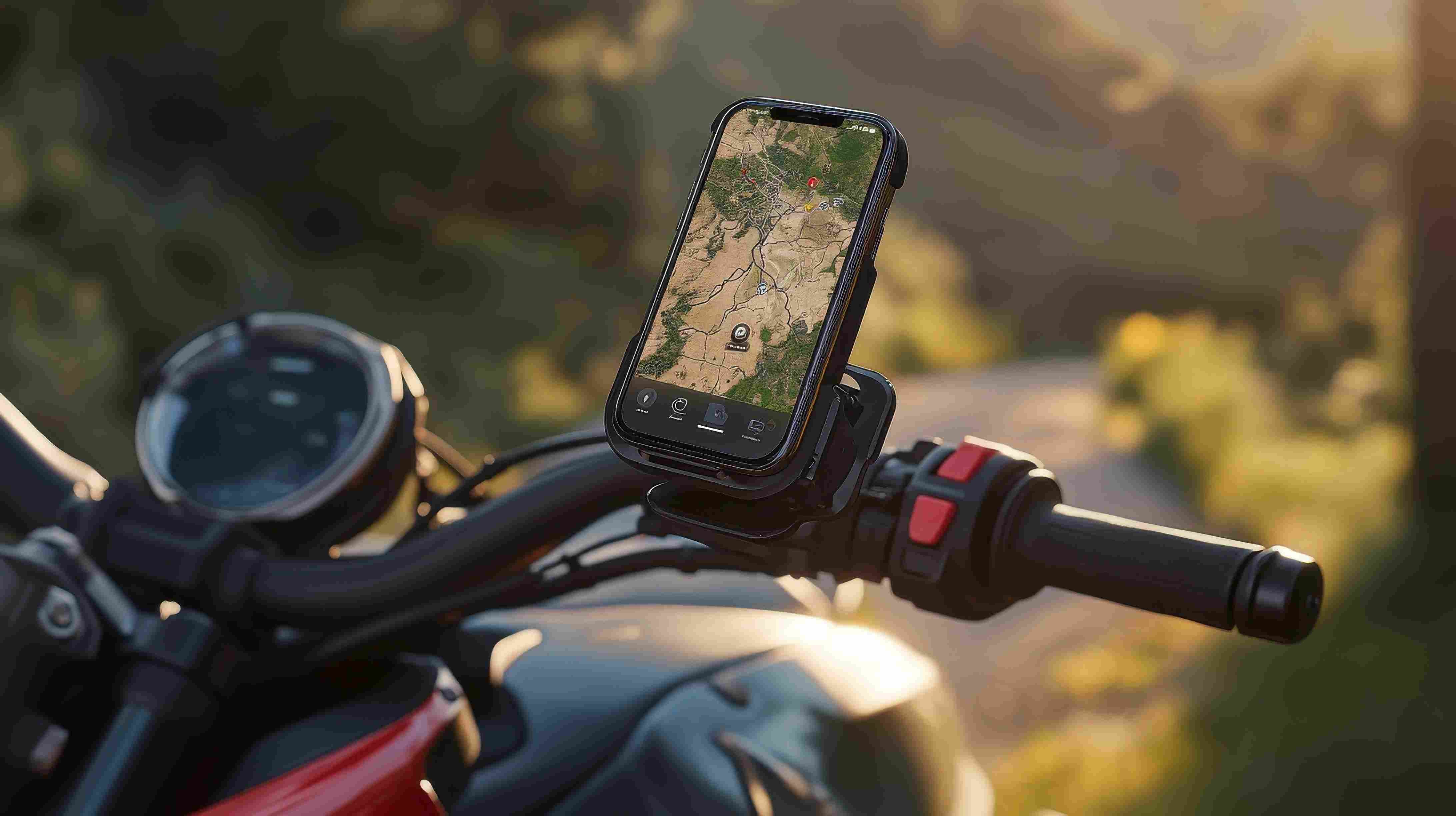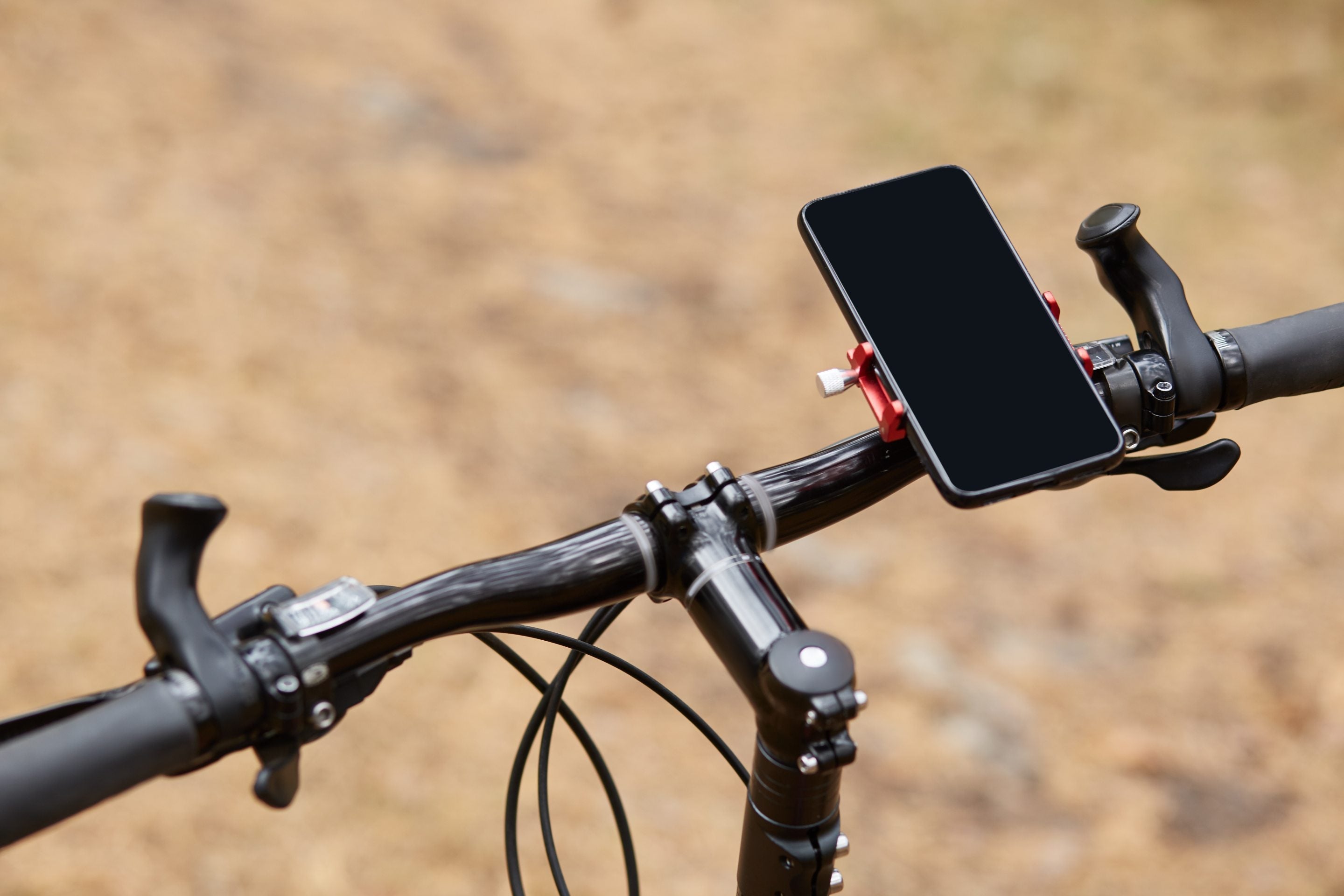

If you've ever taken your vehicle off the beaten path, you know how rough the ride can get. The bumps, sudden turns, and constant vibrations are part of the adventure. But what's not fun is when your phone goes flying because your car mount could not handle the journey.
Keeping your phone stable and secure is more than just convenience. It's about safety, navigation, and staying connected in places where help might not be close. So, what actually makes a car mount reliable in rough conditions? That is exactly what we are going to explore here.
Let's take a closer look at what separates a tough car mount from one that's only good for city traffic.

Why Most Car Mounts Don't Hold Up Off the Beaten Path
Many people assume all car mounts are created equal. If it holds your phone on the highway, shouldn't it work on the trail too? Not exactly. The truth is, most standard car mounts are made for smooth city roads, not for off-road driving or long adventures on gravel or uneven terrain.
Everyday, Mounts Are Built for Easy Roads
Most car mounts are designed with convenience in mind, not toughness. They're built for drivers who mostly stay on well-paved roads. While that might work for quick trips to the grocery store, it does not hold up when your vehicle is bouncing down a rocky trail.
These mounts often rely on suction cups or vent clips. These work fine until they're exposed to dust, heat, or too much shaking. Then they begin to slip, rattle, or even fall off completely.
Weak Points Start to Show Fast
It only takes one sharp bump to show the weak points of a cheap mount. Suction cups lose their grip, especially when they're exposed to heat or sunlight. Plastic arms start to bend or snap. Even magnetic mounts can fail if the magnet isn't strong enough or the design does not hold up under pressure.
If you have ever had your phone crash into your gear shift during a trail drive, you already know how frustrating this can be. So how can you find a car mount that actually stays in place?
Let's move into the next section to discover what really makes a car mount secure when the road gets rough.

What to Look for in a Secure Car Mount
Finding a car mount that truly works in tough conditions means knowing what features to look for. It's not just about how it looks. It's about how well it performs when the road is anything but smooth.
Shock Absorption and Vibration Dampening
When you are off-roading, your vehicle is constantly shaking. A car mount without any shock absorption will not be able to keep your phone still. Some high-quality mounts use rubber or silicone padding to reduce shaking. Others use specialized materials or mount designs that absorb vibrations before they reach your device.
If your phone bounces constantly, it becomes hard to read the screen or use GPS. Worse, the vibration could damage your phone's charging port over time.
Locking Mechanisms That Actually Work
One of the most important things to look for is a solid locking mechanism. This keeps your phone from slipping or bouncing loose. Some car mounts use spring-loaded clamps. Others use knobs you tighten by hand. The best ones lock your phone into place so well that you can turn your vehicle almost upside down, and the phone will not budge.
Avoid mounts that rely only on pressure or tension. These often loosen over time, especially after a few bumpy drives.
Mount Grip Strength and Phone Compatibility
Not every car mount fits every phone. If your phone is large, heavy, or has a thick case, you need a mount that can handle that weight and shape. Look for a strong grip with non-slip materials. Silicone grips are often a good choice because they hold tight without scratching.
As you can see, the right features make a big difference. But even strong features won't matter if the mount is made from cheap materials. That brings us to our next point.

Materials Matter - What a Rugged Car Mount Is Made Of
Just like a truck built for trails needs tougher parts, a car mount built for rough roads needs better materials. The difference between a car mount that lasts and one that cracks lies in what it is made from.
The Best Materials for Rough Conditions
The most reliable car mounts are made with aluminum alloy, stainless steel, or high-quality polycarbonate plastics. These materials are strong, weather-resistant, and don't warp in heat or cold.
Silicone and TPU (a rubber-like material) are often used for the grip parts. These materials add shock resistance and help keep your phone secure even when the road gets rough.
Signs of Build Quality You Can Trust
You don't have to be an engineer to spot good build quality. Start by checking how solid the mount feels in your hand. Are the joints tight? Do the arms move smoothly but firmly? Does it wobble when you touch it? You can also look at product reviews, especially from off-road drivers.
Products that come with warranties or testing certifications are often a safer bet. A car mount that can survive dust, moisture, and high temperatures is what you should aim for.
Now that you know what to look for in terms of materials, let's break down the different types of mounts out there and see how they stack up on the trail.
Which Type of Car Mount Is Best for Off-Roading?
There are a few main types of car mounts, and each has its pros and cons. Some are better for daily driving, while others are made for serious off-road adventures.
Pros and Cons of Each Type
Suction Cup Mounts
These are popular because they're easy to install and move. But they often lose grip when dust gets under the suction pad or when heat causes the plastic to soften. Not a great choice for bumpy roads.
Vent Mounts
Vent mounts clip onto your car's air vents. They're easy to use but tend to break or slide out on rough trails. Most are not strong enough to hold larger phones during hard vibrations.
Adhesive Mounts
These use sticky pads (usually strong 3M tape) to stay in place. When the adhesive is high quality, they can be quite strong. But once installed, they're hard to move. Great for drivers who want a permanent setup.
Magnetic Mounts
Magnetic mounts are easy to use and look clean, but their strength depends on the magnet quality. Weak magnets are a no-go for off-roading. But strong, rare-earth magnets can work well if paired with a sturdy base.
Bolt-On Mounts
This is the most secure type. Bolt-on mounts screw directly into your dashboard or another surface. They stay put no matter how rough the road gets. If you do a lot of off-roading, this is the top choice.
What Real Off-Roaders Use and Recommend
Serious off-roaders often prefer bolt-on mounts or adhesive mounts with vibration-dampening features. Many also choose systems that can be expanded to hold tablets, radios, or even cameras. If you're investing in your setup, it's worth picking something made for real trail conditions.
Now that we've covered types, what if you want to test a car mount before relying on it for a long drive? Let's go over that next.
How to Test a Car Mount Before Trusting It on the Trail
Even if a car mount looks solid, it's always smart to test it before using it in extreme conditions. You don't want to be 20 miles into a trail when your phone suddenly drops to the floor.
Vibration Test
Try driving on a road with potholes or gravel and watch how the mount reacts. Does the phone shake a little, a lot, or stay steady? If the mount rattles or slides, it may not be secure enough.
Another easy test is to shake the mount with your hand while your phone is attached. If it wiggles or loosens, it won't survive a real trail.
Heat and Dust Resistance
Leave the mount in your car during a hot day. Many poor-quality mounts will fall off the glass or dash due to heat. You can also sprinkle a bit of fine dust on the suction area to see how it holds up. Real trails are full of dust, so this is an important test.
Once you've done your testing, the final step is to choose a mount you trust. That's where we come in.
Why GRxplore Builds the Car Mount You Can Count On
At GRxplore, we don't just design for looks. We build gear that lasts -- because we use it ourselves. Every car mount we create is tested in real-world conditions. We go off-road, through heat, cold, dust, and mud to make sure our mounts won't fail when you need them most.
Built Tough, Tested Hard
Our mounts use aircraft-grade aluminum and strong silicone padding. The designs are tested on rocky trails, not just office desks. We know what kind of strength matters when you're miles away from the nearest cell tower.
Designed with You in Mind
We also think about the small things. Easy one-hand use. Compatibility with rugged phone cases. Mounts that work in Jeeps, trucks, and even overlanding setups with custom dashboards. Because adventure shouldn't come with loose gear or flying phones.
So what's the final word?
Final Thoughts
A car mount might seem like a small part of your gear, but on rough roads, it can make a big difference. You need something that holds strong, absorbs shock, and lasts through the elements. From the materials to the grip to how it installs, everything matters when your drive gets intense.
If you're tired of replacing cheap mounts or watching your phone slide across your dashboard, it's time to upgrade.
Want help picking the right car mount for your vehicle and driving style? Reach out to the GRxplore team today. We'll help you find a mount that's actually built for adventure -- not just the freeway.
Frequently Asked Questions
1. What is the best car mount for off-roading?
The best car mount for off-roading is usually a bolt-on or high-quality adhesive mount with strong grip, shock resistance, and durable materials like metal or reinforced plastic.
2. Do suction cup car mounts work on rough roads?
Not really. Suction cups often lose grip when exposed to dust, heat, or vibrations. They can work on smooth roads, but they are not reliable for off-road use.
3. Will a magnetic car mount hold my phone on bumpy trails?
Yes, but only if it uses a strong magnet and a solid base. Cheap magnetic mounts often fail on rough terrain.
4. Can I use a car mount with a thick phone case?
Yes. Just make sure the mount is designed to hold larger phones or rugged cases. Many good mounts are case-friendly.
5. What materials make a car mount more durable?
Look for mounts made from aluminum alloy, stainless steel, or high-strength plastic. Silicone grips also help prevent slipping.
6. Are vent clip mounts good for off-road driving?
No. Vent clips are weak and often pop out on bumpy roads. They are better suited for daily city driving.
7. How can I test if a car mount is secure?
Try shaking it with your phone attached or drive over rough ground to see if it holds steady.
8. Will adhesive mounts damage my dashboard?
Most use safe adhesives like 3M VHB, which stick well without causing damage when removed properly.
9. Do all mounts work in trucks and Jeeps?
Not always. Check the mount’s size, type, and compatibility before buying.
10. How often should I replace my car mount?
A good mount can last for years, but if it starts to loosen or crack, it’s time to replace it.