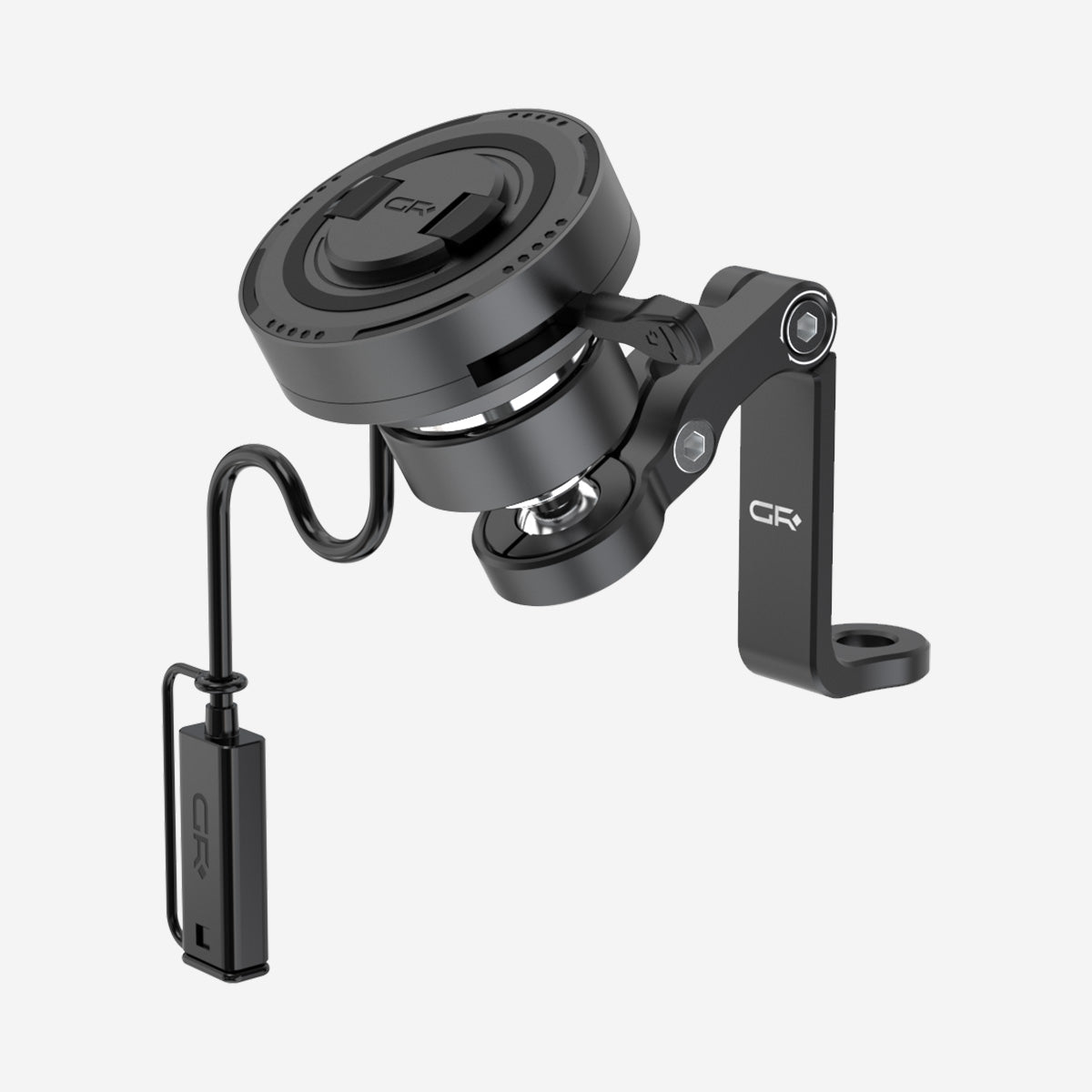
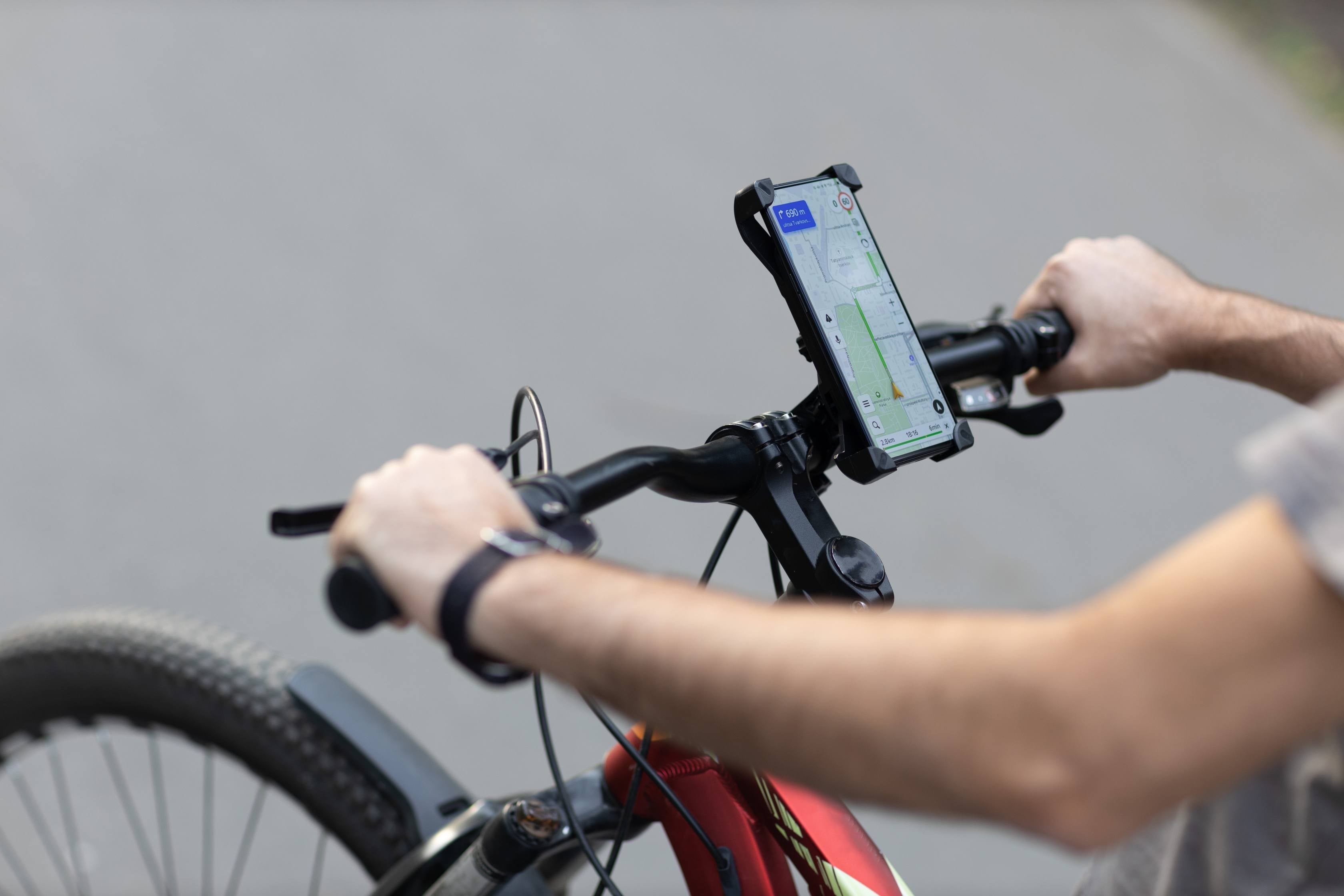
A Car Mount might look like a simple accessory, but it can completely change how safely you drive every day. Think about it: most drivers rely on their phones for navigation, calls, and traffic updates. But without the right setup, that same phone can quickly turn into a serious distraction.
The truth is, a Car Mount is not just about holding your phone. It is about where your eyes go, how fast you react, and how little your attention leaves the road. A poorly placed setup can pull your focus away at the worst possible moment. A well-placed one can make driving smoother, safer, and far less stressful.
So, how do you position a Car Mount correctly so it actually helps instead of harming? And why does something so small make such a big difference in road safety? Let’s break it down step by step so you can drive with more confidence and less distraction.

Best Car Mount Positions for Safer Driving with a Car Mount
Choosing the right spot for your Car Mount is the foundation of safe driving. It decides how often your eyes leave the road and how comfortable your driving experience feels. Many drivers do not realize that even a few centimeters of difference in placement can change safety outcomes.
A Car Mount should always sit in a position where your eyes only need a quick glance, not a full head turn. The best placements usually keep the phone close to your natural line of sight while still leaving the windshield clear.
Dashboard Placement Benefits
A dashboard setup is often considered the safest choice for a Car Mount. It keeps the phone steady and close to eye level without blocking your forward view. This means you can check directions quickly and return your focus to the road almost instantly.
Windshield Placement Pros and Cons
A windshield Car Mount can be helpful because it places your phone higher, but it must be positioned carefully. If it sits too high or too central, it can block visibility and create a safety risk. When placed correctly in a corner, it can still be effective.
Air Vent Mounting Overview
Air vent setups are popular for compact cars. A Car Mount in this position is easy to reach and usually does not block visibility. However, stability can vary depending on your vent design, which is something drivers should always test before long trips.
As you can see, each placement has strengths and weaknesses. But what happens when drivers choose the wrong setup entirely? Let’s look at the most common mistakes next.

Common Mistakes When Using a Car Mount That Increase Driving Distraction
Even the best Car Mount cannot improve safety if it is used incorrectly. Many accidents and close calls happen not because drivers lack tools, but because they misuse them without realizing it.
A Car Mount should reduce distraction, not create new ones. Unfortunately, many drivers position it based on convenience instead of safety principles.
Mounting Too Low or Too Far Away
One common mistake is placing a Car Mount too low on the dashboard. This forces drivers to look down for too long, which increases reaction time. Even a second of delay can matter in fast-moving traffic.
Blocking Visibility with Windshield Setups
Some drivers place their Car Mount right in the center of the windshield. While it may feel convenient, it can block important parts of the road view. This creates blind spots that can be dangerous in busy traffic conditions.
Constant Phone Touching While Driving
Another major issue is frequent interaction with the phone. A Car Mount is meant to support hands-free awareness, not encourage constant tapping. The more you touch your phone, the more your attention shifts away from driving.
Now that we understand what to avoid, it is important to ask a bigger question: how exactly does placement affect your actual driving safety?

How a Car Mount Affects Visibility, Reaction Time, and Road Safety
The position of a Car Mount directly influences how quickly your brain responds to road changes. Even small distractions can create delays that feel minor but have major consequences at high speeds.
When your eyes move away from the road, even briefly, your brain needs time to refocus. A poorly placed Car Mount increases that delay, especially if it requires head movement instead of just eye movement.
Eye Movement and Distraction Timing
Research in driving behavior shows that longer visual interruptions increase risk. A Car Mount placed in the correct zone helps minimize this by keeping navigation within a quick-glance area.
Real-World Driving Risk Examples
Imagine driving at highway speed and looking away for just one second. During that time, your car travels a significant distance without your full attention. A Car Mount that requires less attention reduces this risk significantly.
Why Small Distractions Matter
Even small distractions add up. Checking a map, reading a notification, or adjusting a route becomes dangerous when repeated often. A well-positioned Car Mount helps reduce how often these distractions occur in the first place.
So if placement affects safety this much, how do you choose the right setup for your specific vehicle and lifestyle? Let’s explore that next.
Choosing the Right Car Mount Position Based on Your Vehicle and Driving Style
Not every car is the same, which means not every Car Mount setup should be the same either. Your vehicle type and driving habits play a big role in finding the safest position.
A Car Mount should match your comfort level while still following safety guidelines.
Sedan vs SUV vs Compact Cars
In sedans, a Car Mount on the dashboard usually works best because of balanced eye level positioning. SUVs often allow higher placements due to taller seating, while compact cars benefit from vent mounts due to limited space.
Daily Commuters vs Rideshare Drivers
For daily commuters, a simple dashboard Car Mount setup is often enough. Rideshare drivers, however, benefit from more visible and accessible placements since they rely heavily on navigation and quick updates.
Long Distance Driving Setup Tips
For long trips, stability becomes the most important factor. A Car Mount that does not shift or vibrate helps reduce fatigue and keeps focus steady for longer periods of driving.
Once you know where to place it, the next step is making sure it is installed correctly. Let’s walk through that process.
Step-by-Step Guide to Setting Up a Car Mount for Maximum Stability
A stable Car Mount setup is just as important as placement. Even the best position becomes useless if the Mount shakes or falls while driving.
A proper installation ensures that your Car Mount stays secure in all road conditions.
Surface Cleaning and Preparation
Before installing your Car Mount, always clean the surface thoroughly. Dust and oil reduce grip strength and can cause slipping over time.
Correct Angle Positioning
The phone should face you naturally without forcing your neck to turn. A well-angled Car Mount reduces strain and keeps your attention forward.
Stability Testing Before Driving
Always test your Car Mount by gently shaking or driving at low speed first. This helps confirm that it will remain stable during real driving conditions.
Now that the setup is secure, there is another important area many drivers overlook: legal safety rules.
Legal Rules You Should Know Before Installing a Car Mount in Your Car
Laws around Car Mount usage vary by region, but the goal is always the same: keep the driver’s view clear and attention focused.
A Car Mount that blocks visibility or encourages distraction can lead to fines or warnings depending on local laws.
Windshield Obstruction Laws
Many regions restrict placing a Car Mount in areas that block the windshield. Even partial obstruction can be considered unsafe if it affects visibility.
Hands-Free Driving Rules
In most places, drivers are required to use hands-free systems when interacting with phones. A Car Mount supports this by keeping the device visible without needing to hold it.
Avoiding Fines and Safety Risks
The simplest rule is this: if your Car Mount ever feels like it blocks your view, it is probably not positioned correctly.
So beyond safety and legality, what makes a good product in the first place? Let’s look at quality factors.
What Makes a High-Quality Car Mount for Everyday Driving
Not all Car Mount products are built the same. A high-quality option can significantly improve safety, comfort, and ease of use.
A reliable Car Mount should feel secure, flexible, and easy to adjust without distracting the driver.
Grip Strength and Stability
A strong grip ensures that your Car Mount does not move when the car hits bumps or turns sharply.
Adjustability and Rotation
Flexibility is key. A good Car Mount allows smooth angle changes so drivers can find the safest viewing position.
Heat and Vibration Resistance
Cars heat up quickly, especially in sunlight. A durable Car Mount must withstand heat without losing suction or grip strength.
Even the best product needs maintenance. So how do you make sure your setup stays safe over time?
How to Maintain and Test Your Car Mount for Long-Term Safety
A Car Mount is not a one-time setup. It needs small checks and adjustments to stay safe over time.
Regular maintenance ensures that your Car Mount continues performing well in all driving conditions.
Weekly Safety Checks
Check your Car Mount weekly for looseness or movement. This helps catch issues before they become problems.
Cleaning and Maintenance Tips
Dust and dirt can reduce grip. Cleaning your Car Mount surface keeps it strong and reliable.
When to Replace Your Mount
If your Car Mount no longer holds steady or shows visible wear, it is safer to replace it rather than risk failure while driving.
Conclusion
A properly positioned Car Mount is more than just a convenience tool. It is a safety feature that helps you stay focused, react faster, and reduce unnecessary distractions while driving. From placement to installation to long-term maintenance, every detail plays a role in how safe your driving experience becomes.
If you take away one thing, it is this: the right Car Mount setup is not about where it fits, but where it supports your attention without pulling it away from the road.
At GRxplore, we care about making your drives safer and simpler. If you are unsure whether your current setup is actually helping you or making things harder, feel free to reach out to us at GRxplore.com. We are always here to help you choose the right solution for safer driving.
FAQs
1. What is the safest place to install a Car Mount?
The safest place for a Car Mount is usually the dashboard or the lower corner of the windshield. These spots keep the phone close to your line of sight without blocking your view of the road.
2. Is a windshield car Mount legal?
It depends on your location. In many places, a Car Mount on the windshield is allowed only if it does not block the driver’s view. Always check local driving laws before installing it.
3. Does a Car Mount reduce driving distractions?
Yes, when used correctly. A properly placed Car Mount reduces the need to hold your phone or look down, which helps you stay focused on the road.
4. Where should I avoid placing my Car Mount?
Avoid placing a Car Mount too low on the dashboard or directly in the center of the windshield, as both can increase distraction or block visibility.
5. What type of Car Mount is best for daily use?
A stable dashboard or air vent Car Mount with strong grip and easy adjustment is best for daily driving. It should hold your phone securely without shaking.
6. Can a Car Mount improve reaction time?
Yes. A well-positioned Car Mount keeps navigation in your natural line of sight, helping you react faster compared to holding a phone or looking away.
7. How often should I check my Car Mount?
It is good to check your Car Mount weekly for looseness, dust buildup, or wear to ensure it stays secure and safe.
8. Do all cars need the same Car Mount setup?
No. The best Car Mount position depends on your vehicle type, seating height, and driving habits, so placement should be adjusted accordingly.